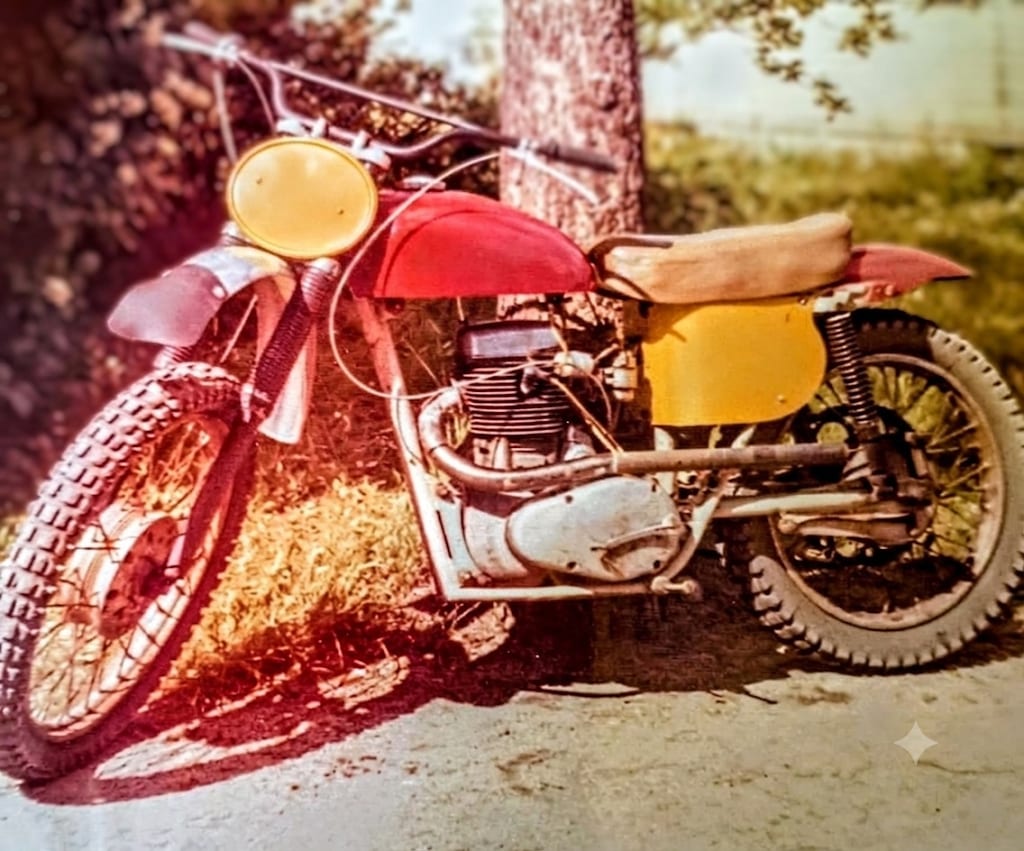
It was a limited-production four-stroke motocross bike manufactured in between 1954 and 1964.
These motorcycles were the brainchild of engineer Jaroslav Simandl, who originally designed them for speedway racing. At the time, Simandl was competing with 20-year-old British JAP engines, but because spare parts were extremely difficult to obtain in Czechoslovakia, he decided to build his own modernized version.
In 1957, Simandl introduced the S45 engine, based on a modern unit construction. It was available in 250cc, 350cc, and 500cc displacements. All models featured a four-speed gearbox and dry-sump lubrication with a separate oil tank. The engine was mechanically unique: it had straight-cut gears and a reverse-rotating crankshaft. Demonstrating typical Czech thoroughness, the factory supplied the bikes with a complete spare parts kit that included a spare piston, clutch, and carburetor parts.
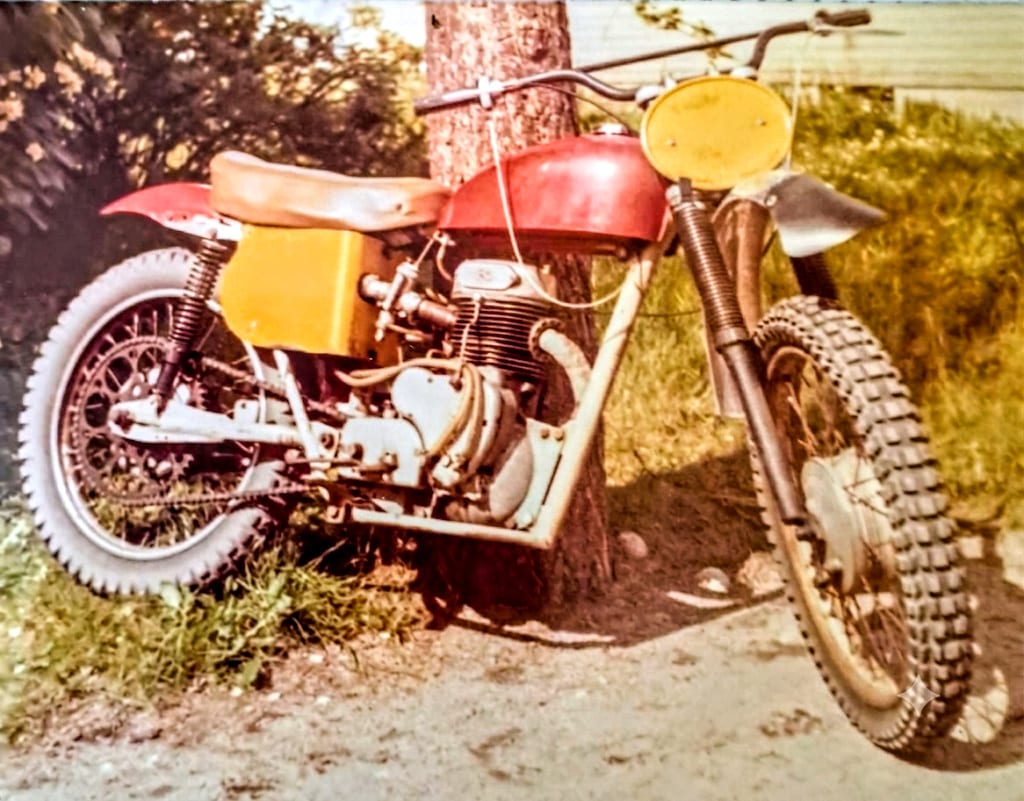
Although the engine was exceptional, the ESO frame left much to be desired.
The bikes were taller, longer, and heavier than competing British four-strokes. They were fast on the straights, but due to their slack steering angle, they turned slowly, which forced riders to rely heavily on track berms in corners.
To solve the handling problems, top-level Grand Prix riders simply removed the prized ESO engines and installed them into superior custom frames. Swedish rider Sten Lundin installed an ESO engine into a Lito frame and won the 1961 World Championship, while another champion, Bill Nilsson, stuffed his into a Rickman Metisse frame in 1964.
Unfortunately, this international success became the brand’s undoing. The communist regime’s commissars felt that ESO was competing too strongly against the state-favored manufacturer, CZ. At the end of the 1964 season, ESO production was discontinued and the brand was merged into the Jawa factory. This ended the era of specialized four-stroke bikes as the country shifted its off-road focus entirely to two-strokes.