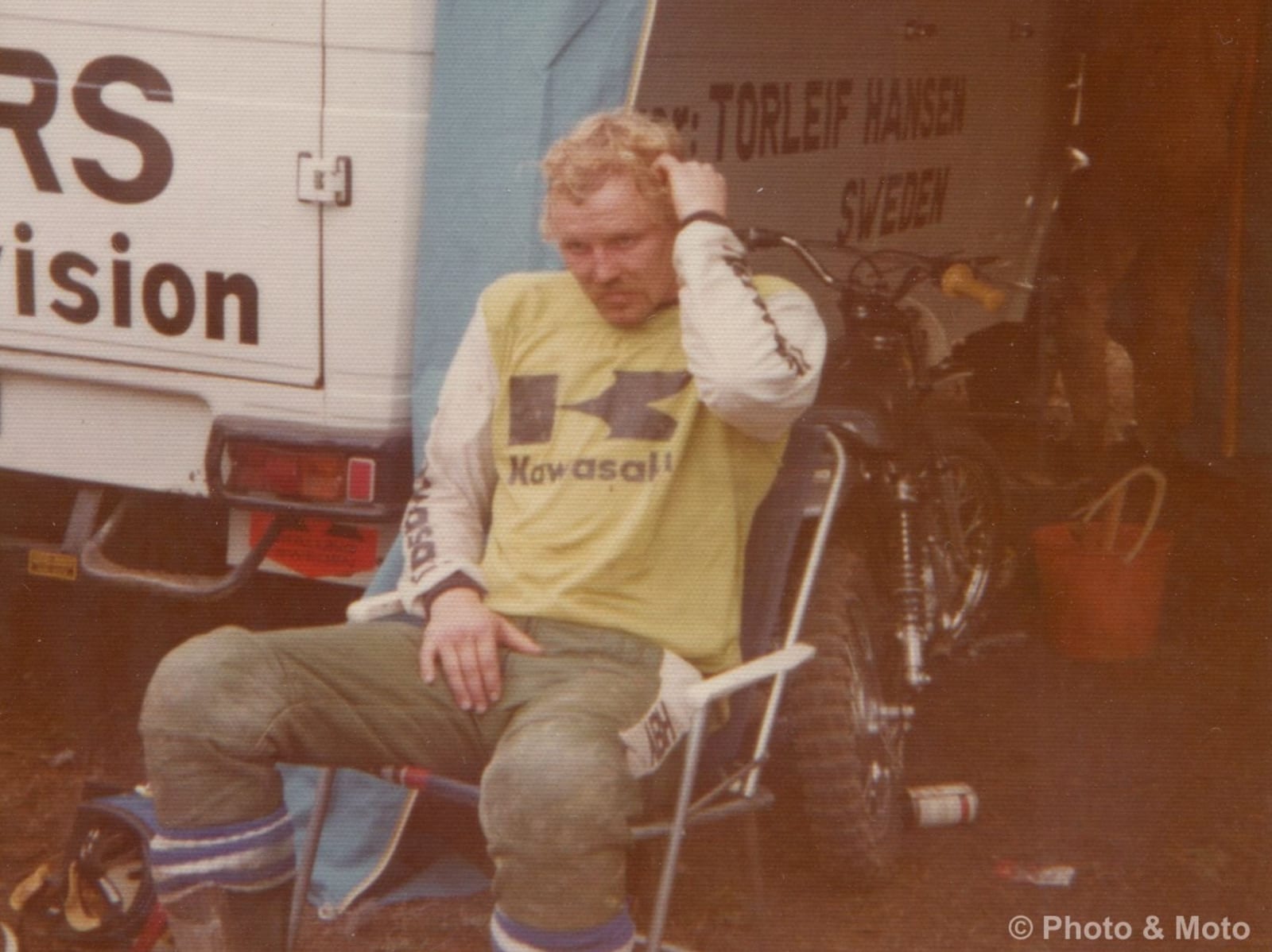
During the 1970s, lighter synthetic materials began to change the sport. Nylon reduced weight, while leather, foam, and molded plastic were increasingly used only where protection was most critical.
Finland was at the forefront of this change. Koho, Yoko, Sinisalo, and Tackla became part of a new generation of motocross gear manufacturers.
A new way of thinking about motocross gear
The Finnish breakthrough was not about abandoning leather, but about using each material where it worked best.
Koho’s early motocross pants combined nylon and leather reinforcements. Soon, Finnish-made riding pants were using synthetic fabrics for lightness, leather in high-wear areas, foam for padding, and molded plastic for protection.
What feels obvious today was a major revolution back then: riding pants were becoming lighter and more flexible technical garments.
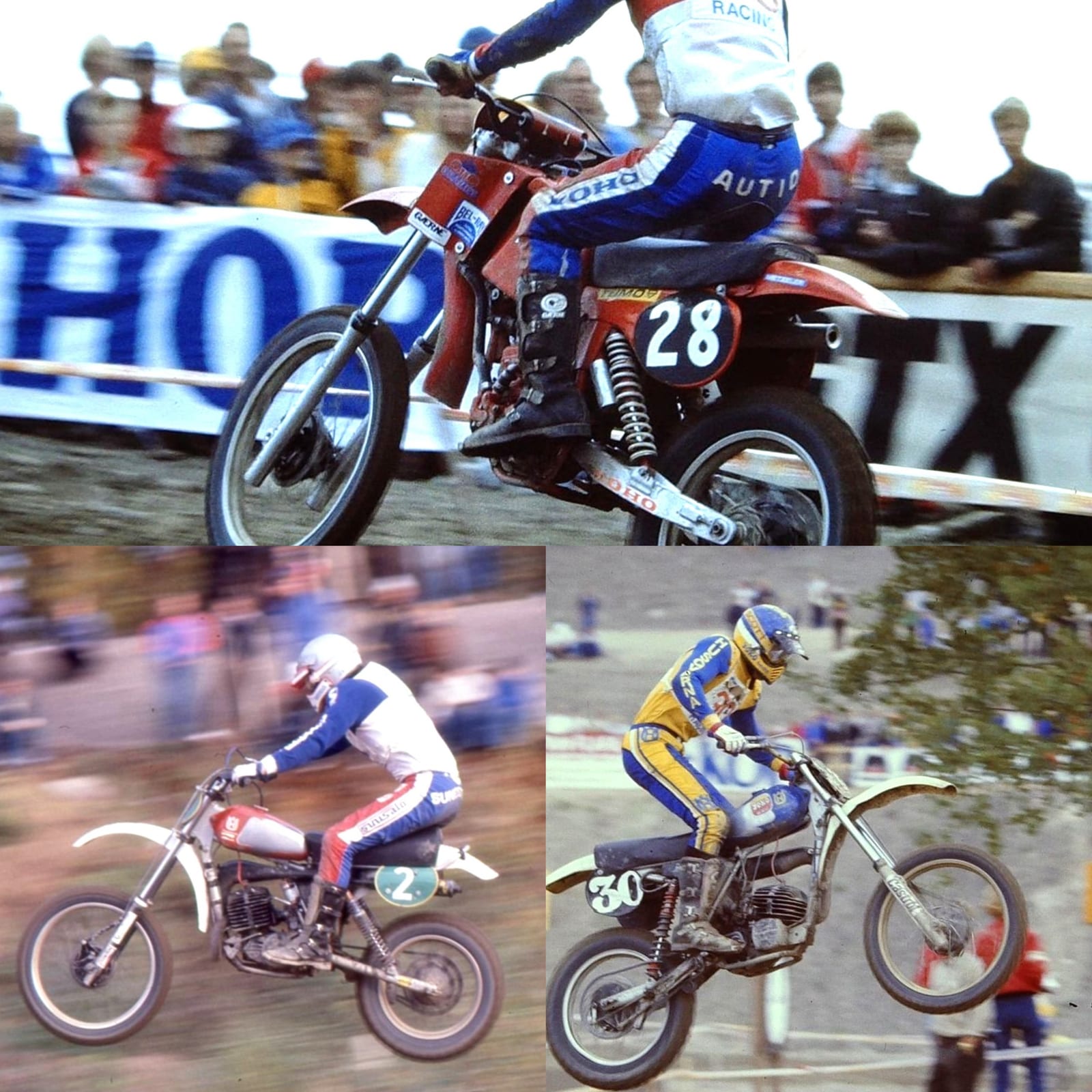
Koho was already supplying its products to the US market, and Yoko, Sinisalo – and later Tackla – were involved in building a small Finnish hub around this new generation of motocross gear.
The breakthrough was not about one new material, but about understanding where each material works best.
From Finnish factories to international motocross tracks
The next chapter was international. Koho’s gear appeared in the US through JT Racing, Sinisalo established its position in America, and Tackla reached customers outside of Finland.
Yoko went even further. It became part of the supply chain for rising American motocross brands, manufacturing motocross clothing in Finland for companies like Fox.
This relationship says a lot about Finland’s position in the industry. Finnish companies were not just selling Finnish products; they had developed such valuable manufacturing expertise that foreign brands came to Finland to have their products made.
Finnish expertise thus shaped motocross gear far beyond the visibility of the Finnish brands themselves.
Finnish expertise reached further than the Finnish brands themselves.
When motocross gear became part of the culture
By the 1980s, motocross clothing was changing again. Functionality was still essential, but appearance, rider identity, and sponsorship were becoming increasingly important.
Gear manufactured in Finland evolved with the sport. Synthetic fabrics, integrated protectors, sublimation printing, and more advanced graphics moved riding gear closer to modern technical sportswear.
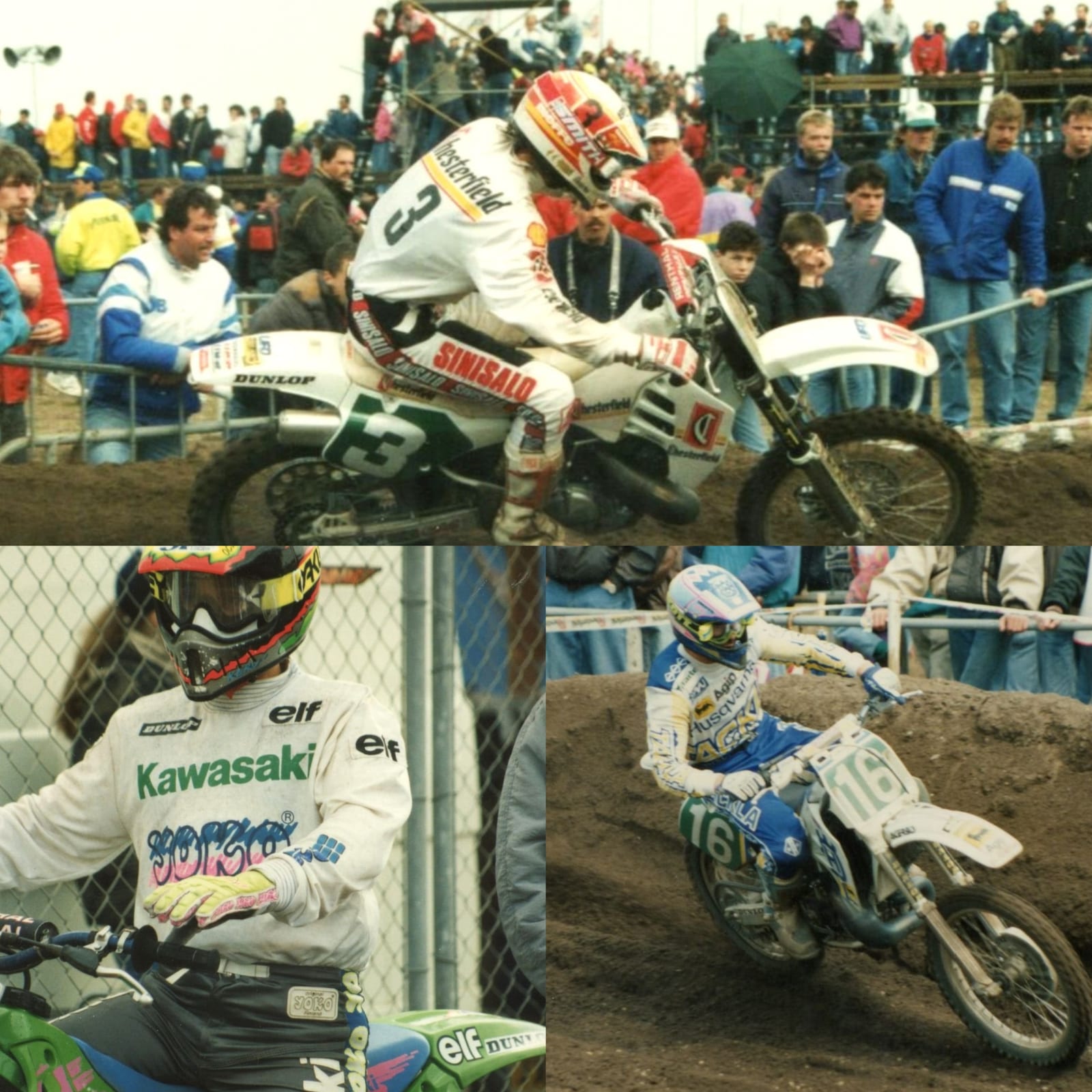
These four Finnish brands contributed in different ways to this transformation: Koho in the early material shift, Yoko in international manufacturing and partnerships, Sinisalo in the development of protective gear, and Tackla in expanding Finland’s visibility in international motocross.
Together, they were part of the shift toward lighter, more technical, and increasingly distinctive riding gear.
Motocross gear was no longer just about protection. It was becoming part of the rider’s identity.
For a while, Finland had a remarkably strong position in the industry. However, this competitive advantage did not last forever.
Then the world changed
By the late 1980s, motocross was becoming a significantly larger international business.
American brands like Fox grew through rider sponsorship, marketing, and distribution, while Italy was forming another strong hub with companies like AXO.
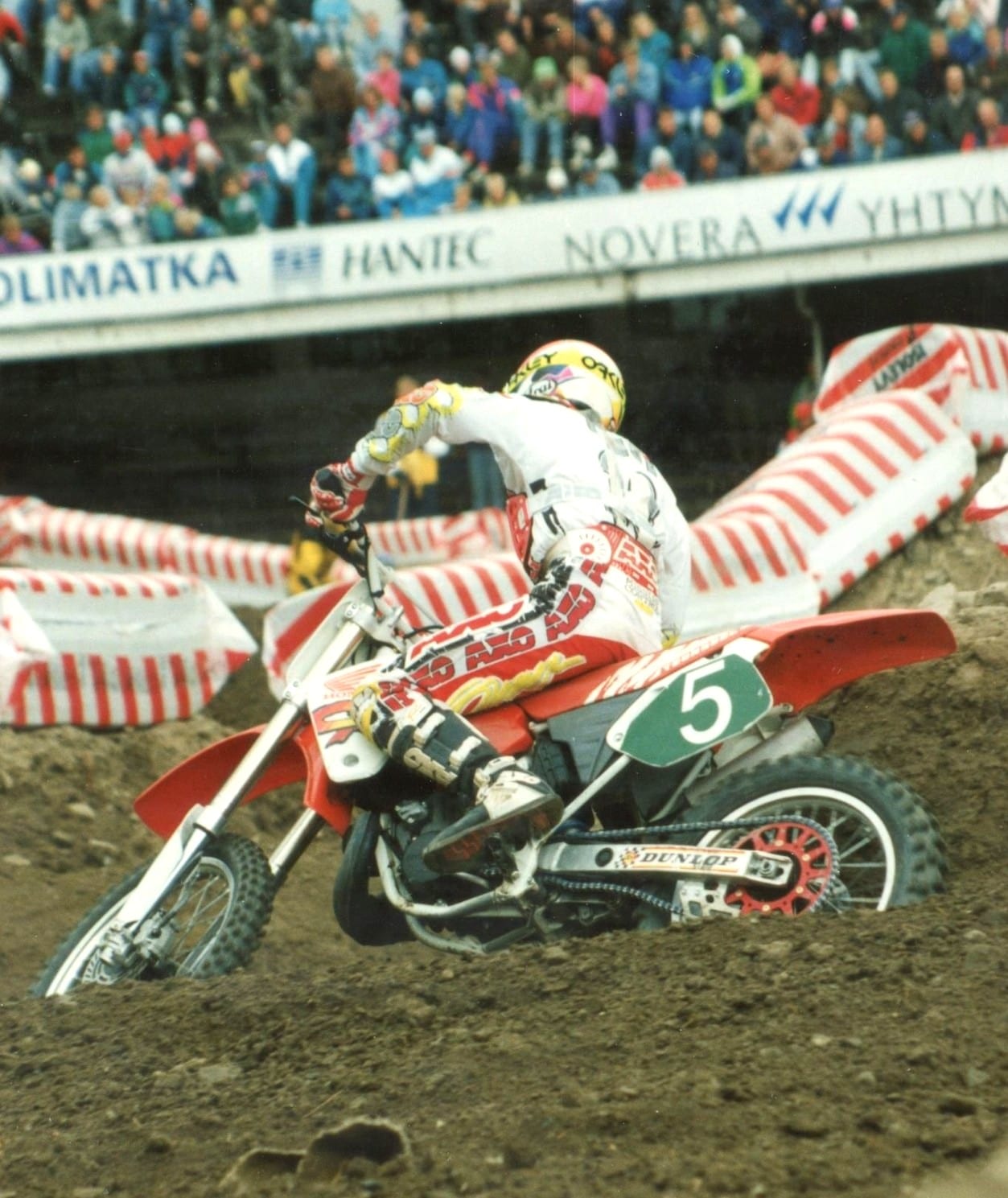
At the same time, Finland’s textile and clothing industry was shrinking, and the production of technical clothing increasingly moved to lower-cost countries.
Finnish companies were caught in the grip of this change. Yoko gave up domestic production of riding gear, and Sinisalo shifted to using subcontracting in Estonia.
The expertise had not disappeared. The competitive advantage had.
Finland did not lose the ability to manufacture motocross gear. It lost the competitive advantage of manufacturing it in Finland.
By the 1990s, manufacturing had become global, and brand strength, rider sponsorship, distribution, and marketing were becoming increasingly important sources of competitive advantage.
A Finnish chapter that deserves to be remembered
The story of Finnish motocross clothing is easy to overlook, partly because much of it happened behind the scenes of brands that riders remember better today.
Yet, Finland was one of the places where motocross gear moved from traditional leather toward the light, multi-material garments that define the sport today.
Koho, Yoko, Sinisalo, and Tackla were each part of this change.
Their story shows how Finnish expertise reached international markets – and how quickly an industrial edge can change. What was rare in the 1970s had become globally common by the 1990s.
Production moved. Brands strengthened. New competitors appeared.
Finland did not just follow the motocross gear revolution. It was there leading it.