Belgium, a small and densely populated country in Western Europe, transformed from the 1960s onwards into the main stage and a place of pilgrimage for international motocross, where riders, mechanics, engineers, and team managers gathered.
Success relied on an ideal logistical location, deep national passion, the economic volume of the sport, technological innovations, and excellent training conditions.
This article discusses Belgium’s role as a global hub for the sport, its significance for Finnish and other riders, Belgian innovations, and the factors that eventually led to the decline of the era.
Beringen and its surrounding areas initially served as the base for the Finns
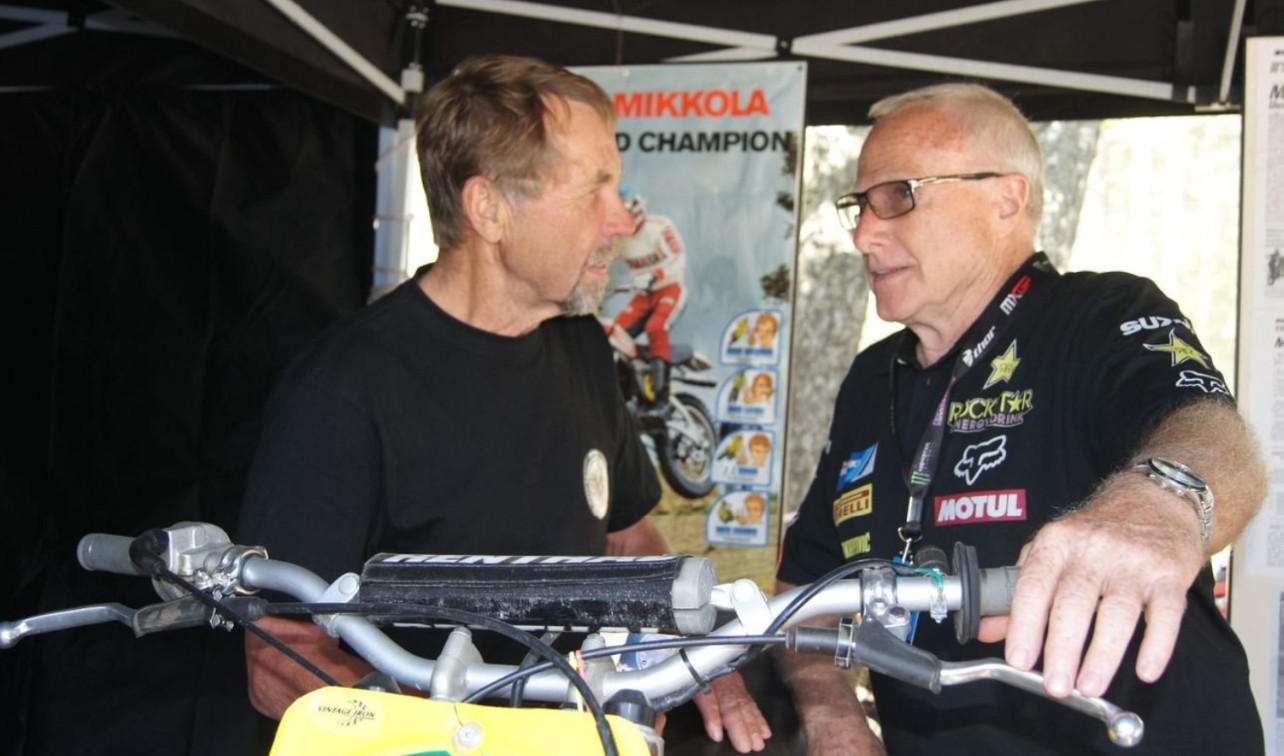
The international breakthrough and rise of Finnish motocross to the world elite is inextricably linked to Belgium. As the sport began to professionalize, Finnish pioneers like Heikki Mikkola quickly realized that lasting success required more than occasional, exhausting travel from Finland to Central European GP races. In the early 1970s, Mikkola made a strategic decision and established his base in Belgium, and later in the small town of Beringen, located in the Flanders region. This move set a standard that many followers of Master Mikkola, aspiring to the top, quickly adopted as their own.
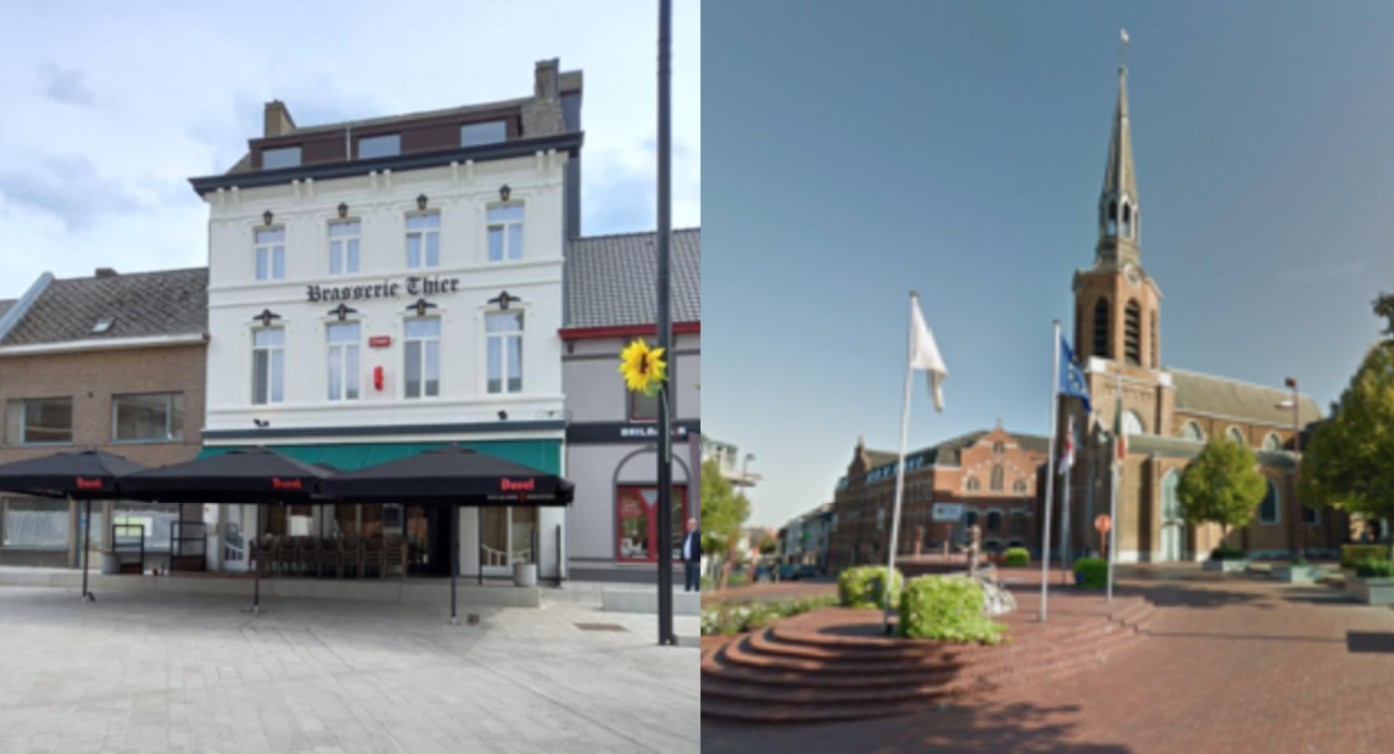
In the early stages, when resources were still limited and operations were finding their form, several Finnish riders stayed in a small hotel located in the center of Beringen called Brasserie Thier. The family that owned this hotel became very familiar to the Finns and formed an important social anchor in a foreign country.
Another popular option was the campsite located in the immediate vicinity of the Zolder race track, which served as a cost-effective solution and enabled close community with other competitors.
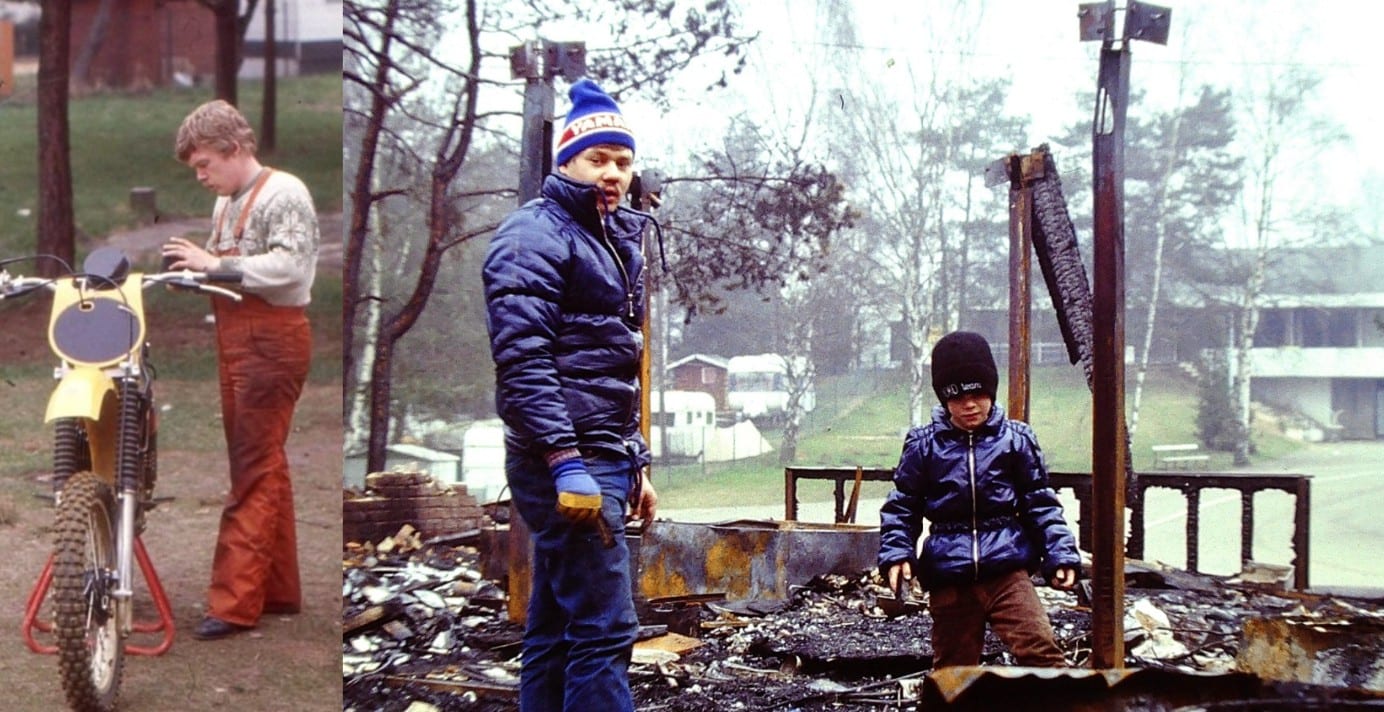
With success and growing professionalism, most riders moved to rent their own houses in the area. Living in houses was naturally more homely and provided a more stable environment, better supporting family life during long and exhausting training and racing seasons.
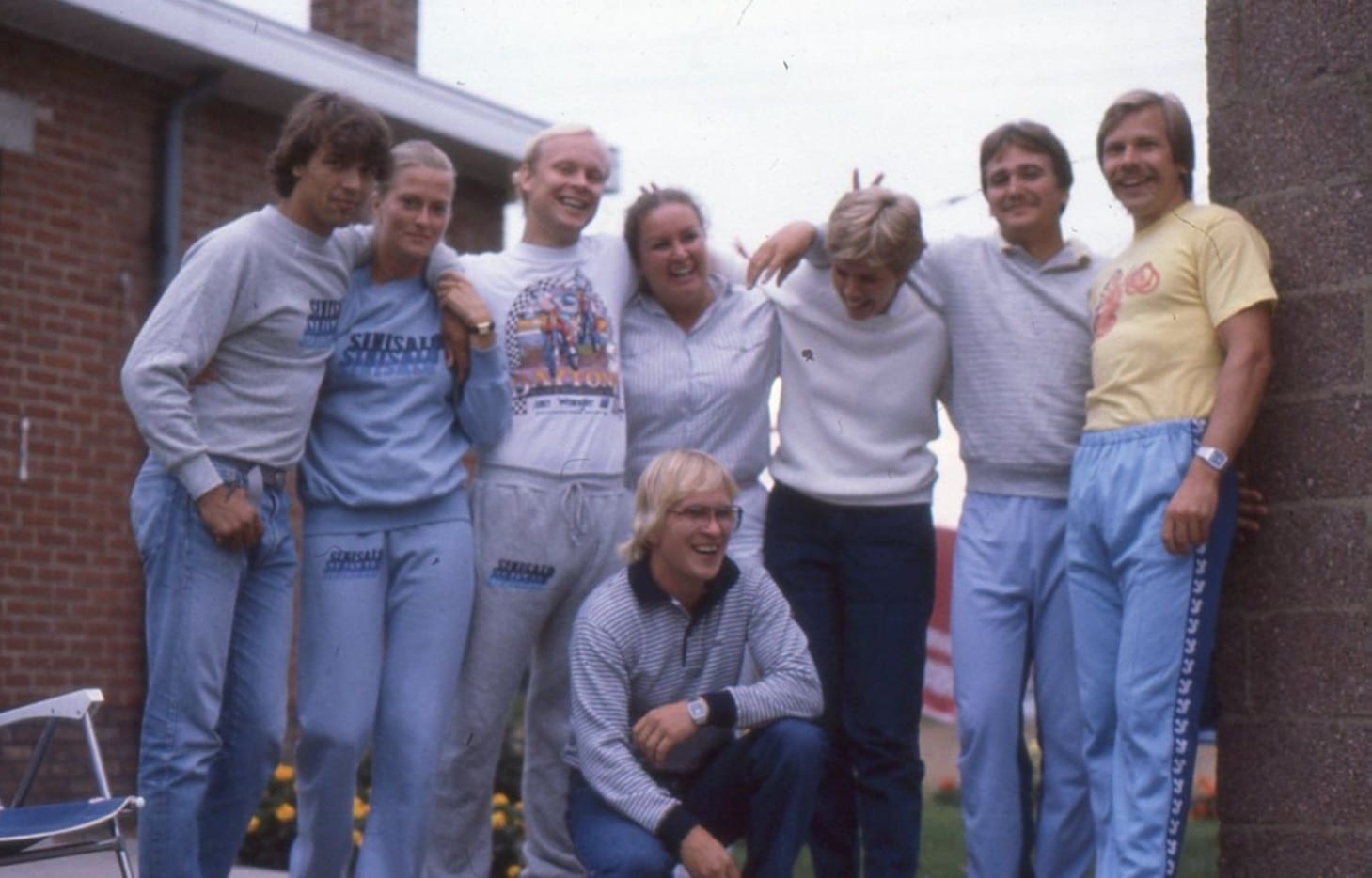
Local background figures, who welcomed the newcomers from the north with open arms, played a central role in the successful integration of the Finns into Belgian society and the sport’s culture.
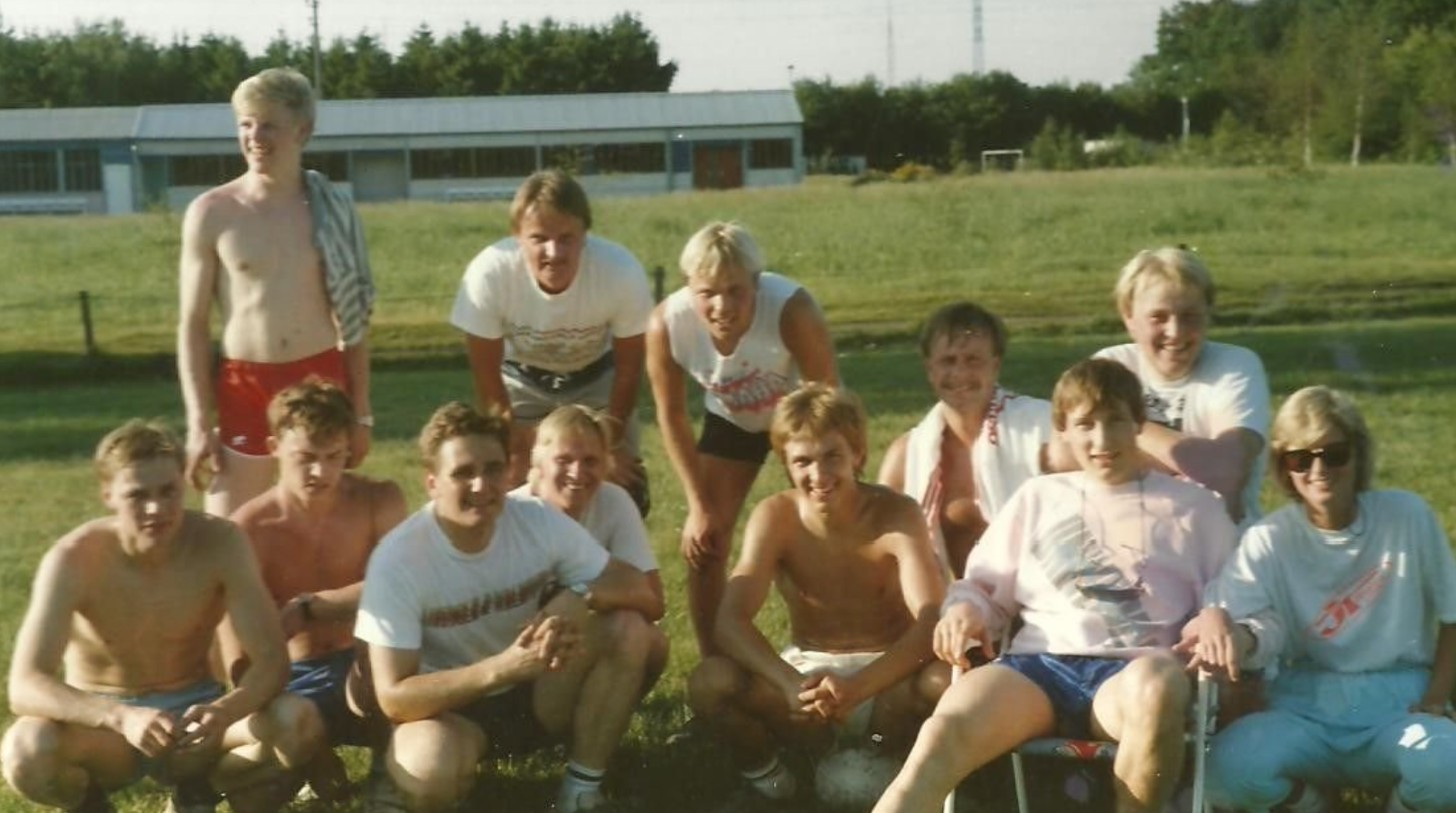
Belgians were generally known to be very helpful towards the Finns. For example, the couple René and Angela Liekens became particularly significant. The Liekens acted as managers, interpreters, agents, and local guides, helping the Finns navigate Belgian bureaucracy, negotiate with local parties, and maintain vital relationships with race organizers.

Belgium’s magnet: Location, economic volume, and sport culture
Why was Belgium such an overwhelmingly popular destination not only for Finns but for top riders from dozens of other countries as well? The answer lies in macro-level factors that combined geography, climate, and an exceptional sports culture favoring motocross.
Logistical superiority and track network
Located in the heart of Europe, Belgium was an ideal base for riders touring the Motocross World Championship series and other competitions. More direct connections to France, Italy, the Netherlands, Germany, and the United Kingdom reduced the strain and costs of travel at a time when equipment was moved by vans and trailers, leaving more time for training and recovery.
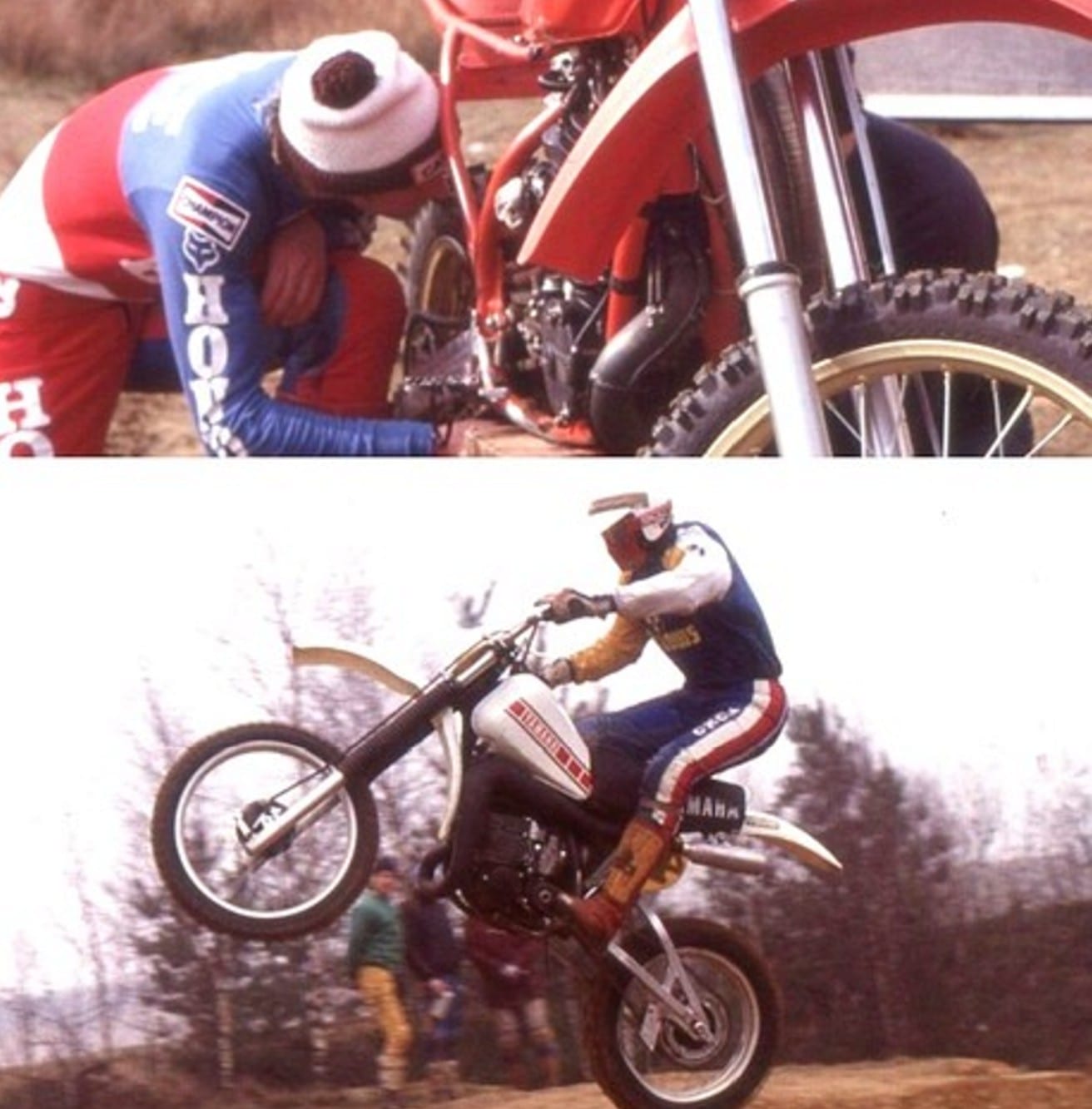
Furthermore, in the Flanders and Wallonia regions, from the 1960s until the end of the 1990s, there was an extremely dense network of motocross tracks. Dozens of different tracks, from deep sand to hard clay and wooded slopes, were located just short drives from each other. This allowed for the most versatile and efficient riding practice within short distances. Belgium’s temperate climate allowed for a significantly longer riding practice season than the harsher conditions of Northern Europe.
The absolute kings of the tracks
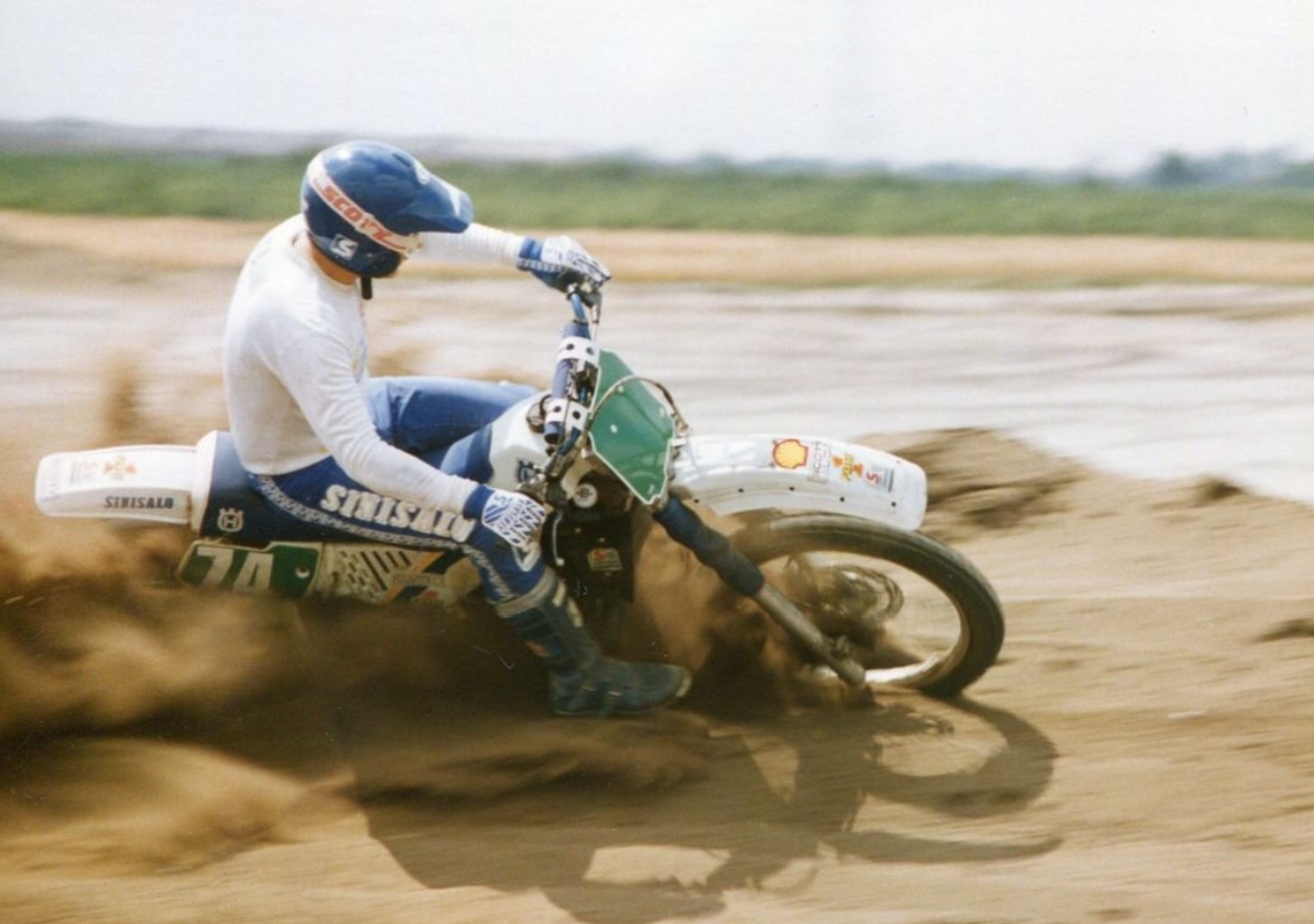
The Citadelle in Namur, located in Wallonia, was its aristocratic and majestic gem. The race held in Namur from 1947 to 2007 was regularly called the “Monaco of motocross.” The track was not located in a traditional motorsport area, but was cleared temporarily in the rugged park, forests, and walkways of the historic fortress (Citadelle) rising above the city of Namur. At the other extreme, in Northern Belgium
National passion and economic volume
The foundation of the Belgian ecosystem was the exceptional national popularity the sport enjoyed. Motocross had long held the status of almost a national sport in the country, and it was strongly supported at all levels. National and international competitions drew crowds of fans, and attendance numbers were huge.
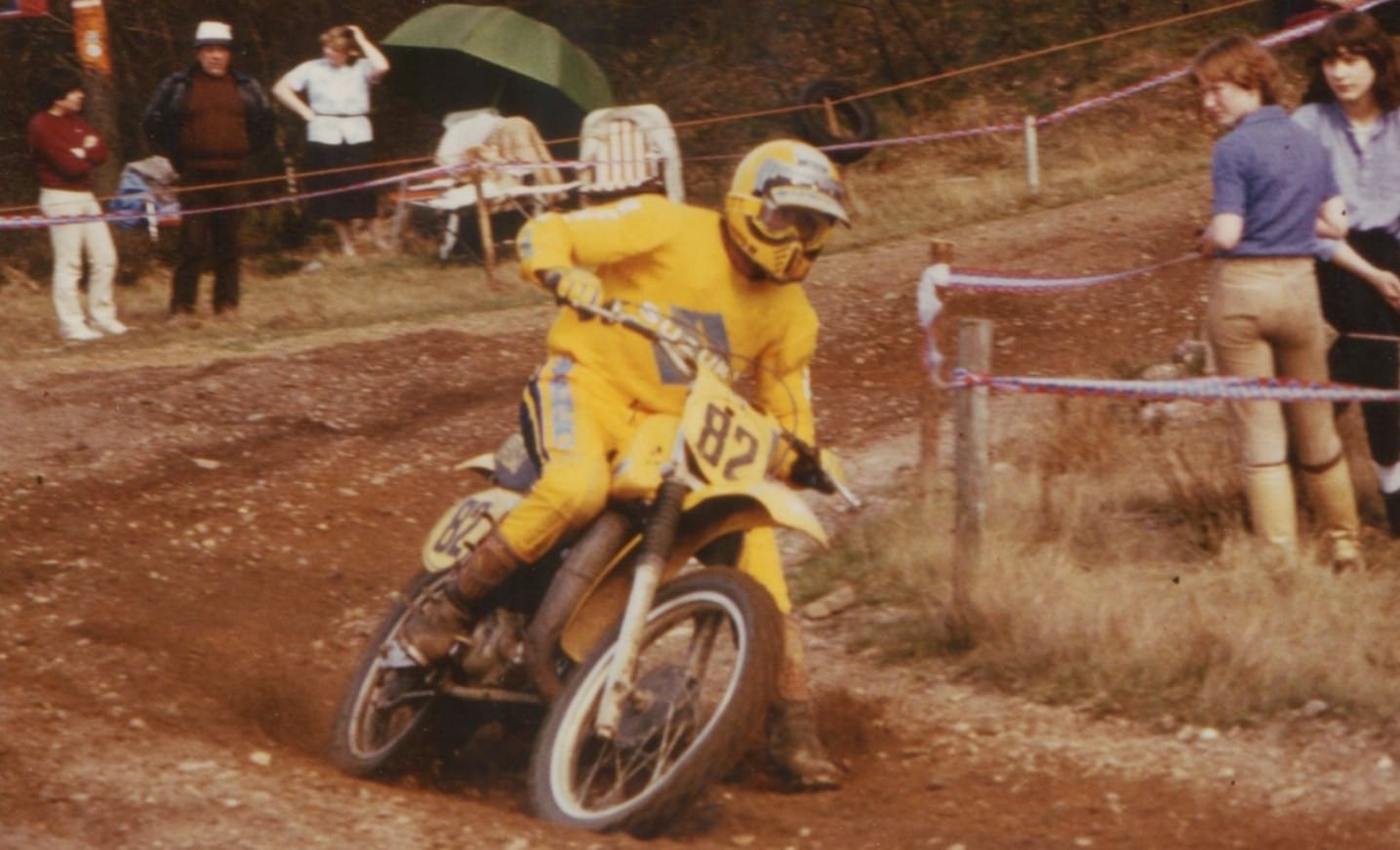
This immense popularity created a strong economic foundation. Corporate sponsorship, ticket revenue, and prize money enabled the riders to be professionals. In Belgium, there were competitions almost every weekend at the top level against world champions and factory riders. For foreign riders, this offered the best development environment. To develop to the top level, one had to compete weekly against the world’s elite. The best tactic adopted by Mikkola and other Finns to beat the Belgians was to learn their secrets on their own tracks and in the same demanding conditions.
Center of innovation
In addition to cultivating exceptional athletes, the Belgian motocross ecosystem served as the industry’s most significant incubator for technological innovations.
One of the most revolutionary innovations in the entire motorcycle industry and motocross history, the monoshock suspension, originated in Belgium, and its mark can still be seen in every modern motorcycle.
Behind this breakthrough was a Liège-based engineer and teacher at a local technical college, Lucien Tilkens. He had already demonstrated his inventive talents earlier by designing, among other things, an early device for the mechanical harvesting of sugar beets. Above all, however, Tilkens was known as a dedicated motocross enthusiast. He worked for years on the technical committee of the Belgian Motorcycling Federation, and his son, Guy Tilkens, competed in the sport.
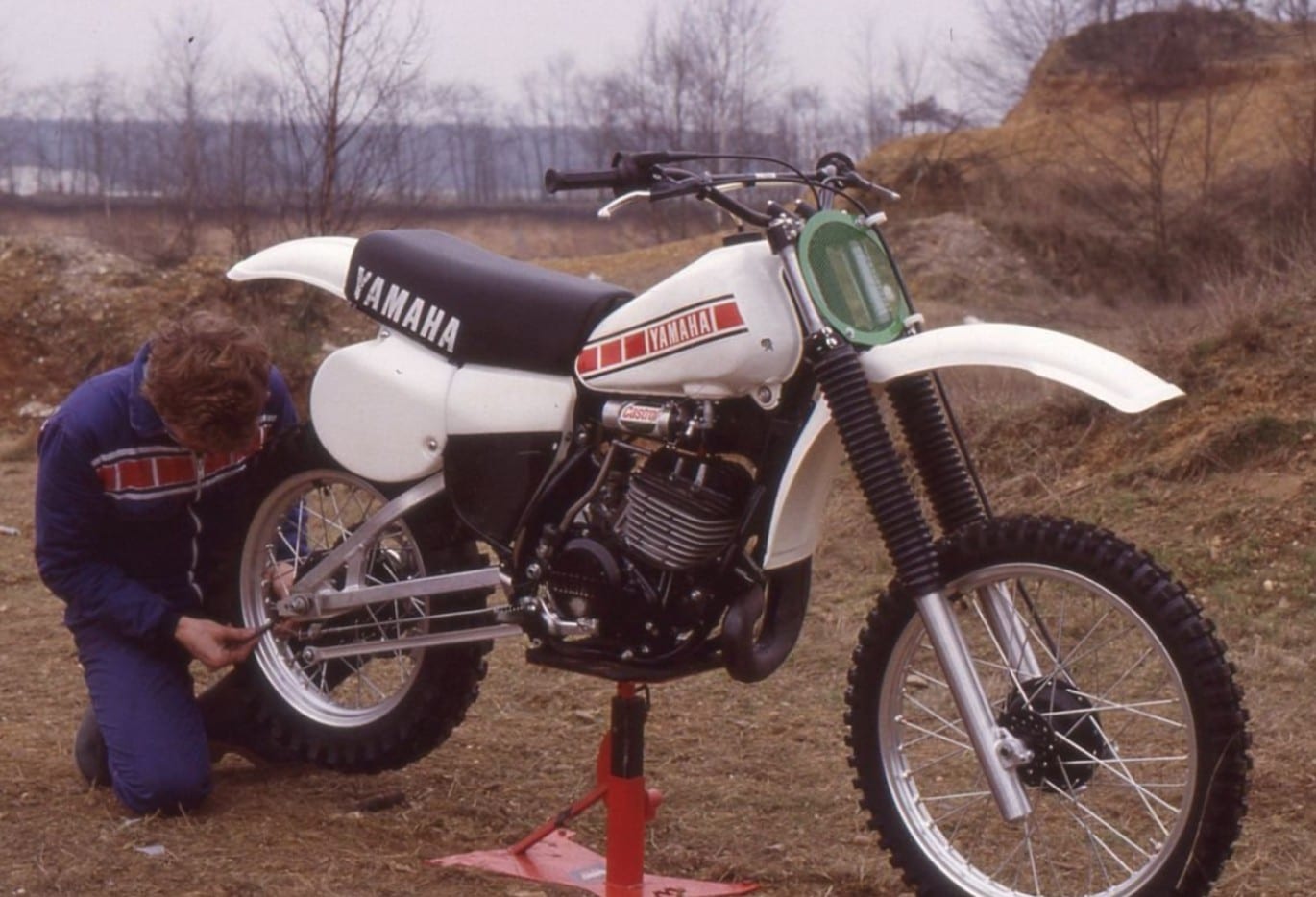
In addition to the monoshock suspension, numerous other technical solutions were developed that improved motorcycle frame structures, suspension, and engines, paving the way for modern bikes.
World champion factory: Belgium’s exceptional dominance
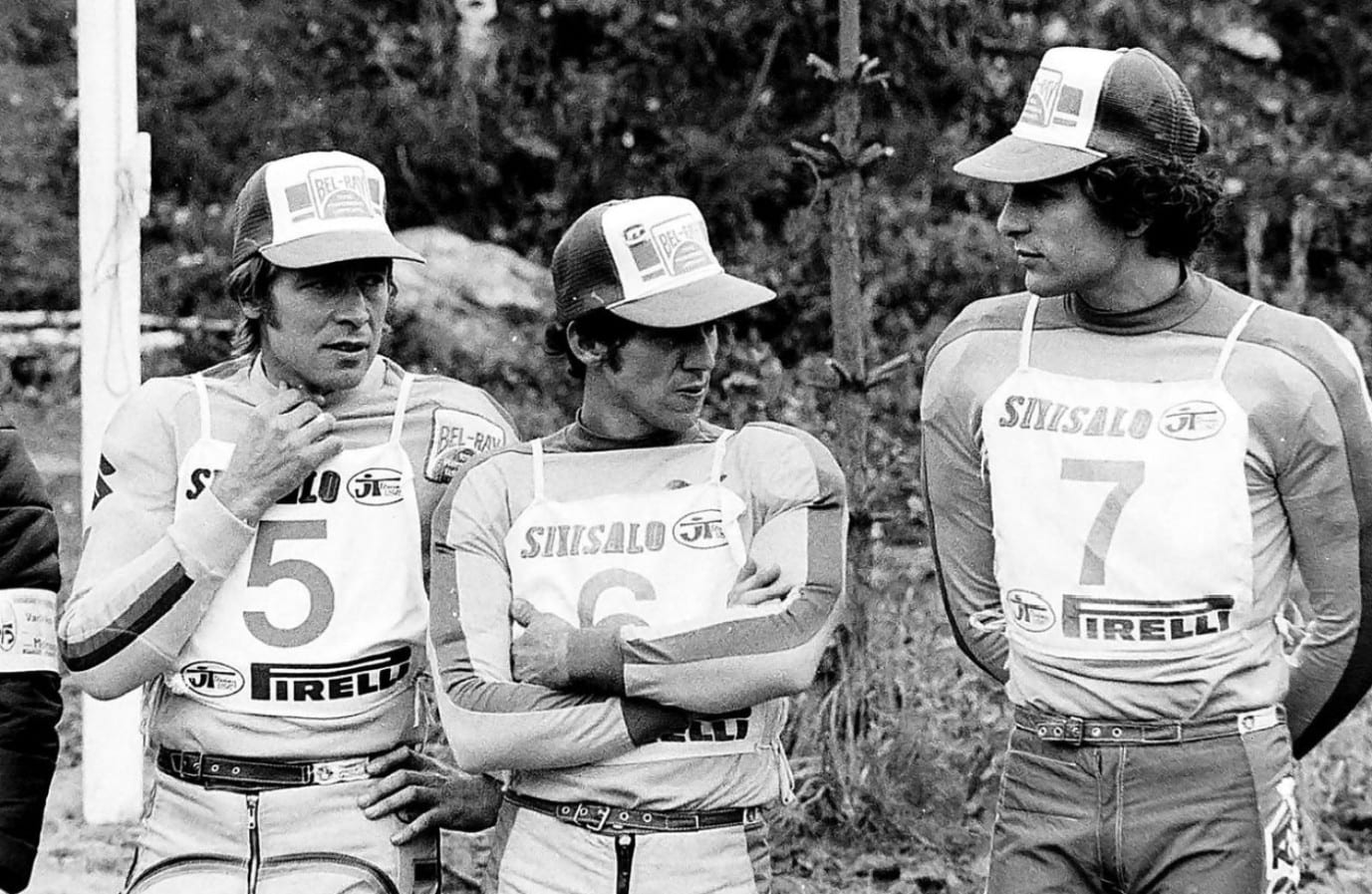
Belgium’s sport culture, dense track network, and immense competitive pressure created an ecosystem that resembled natural selection. Only the strongest, most skilled, and physically most durable riders made it to the top. This mill produced Belgian world champions on an assembly line, making the country the absolute ruler of the sport for several decades.
The numbers describing Belgium’s historical dominance are staggering. The country holds the overwhelming record for the number of motocross world championships. 15 different Belgian riders have won a total of 56 FIM world championship titles, and the country leads the GP victory statistics with an inconceivable total of over 600 race wins. The number is so massive that even the combined wins of France and the Netherlands, which are in second and third place, do not reach the same.
Why did the Belgian motocross ecosystem decline?
After a four-decade reign, the Belgian motocross ecosystem began to crumble in the 2000s. The country still produces top talent, but it is no longer the essential “Silicon Valley” of the sport. Nevertheless, several top-level teams and riders still keep their headquarters in Belgium, as the country remains a central location for logistics and carries the historical value of a “motocross mecca.”
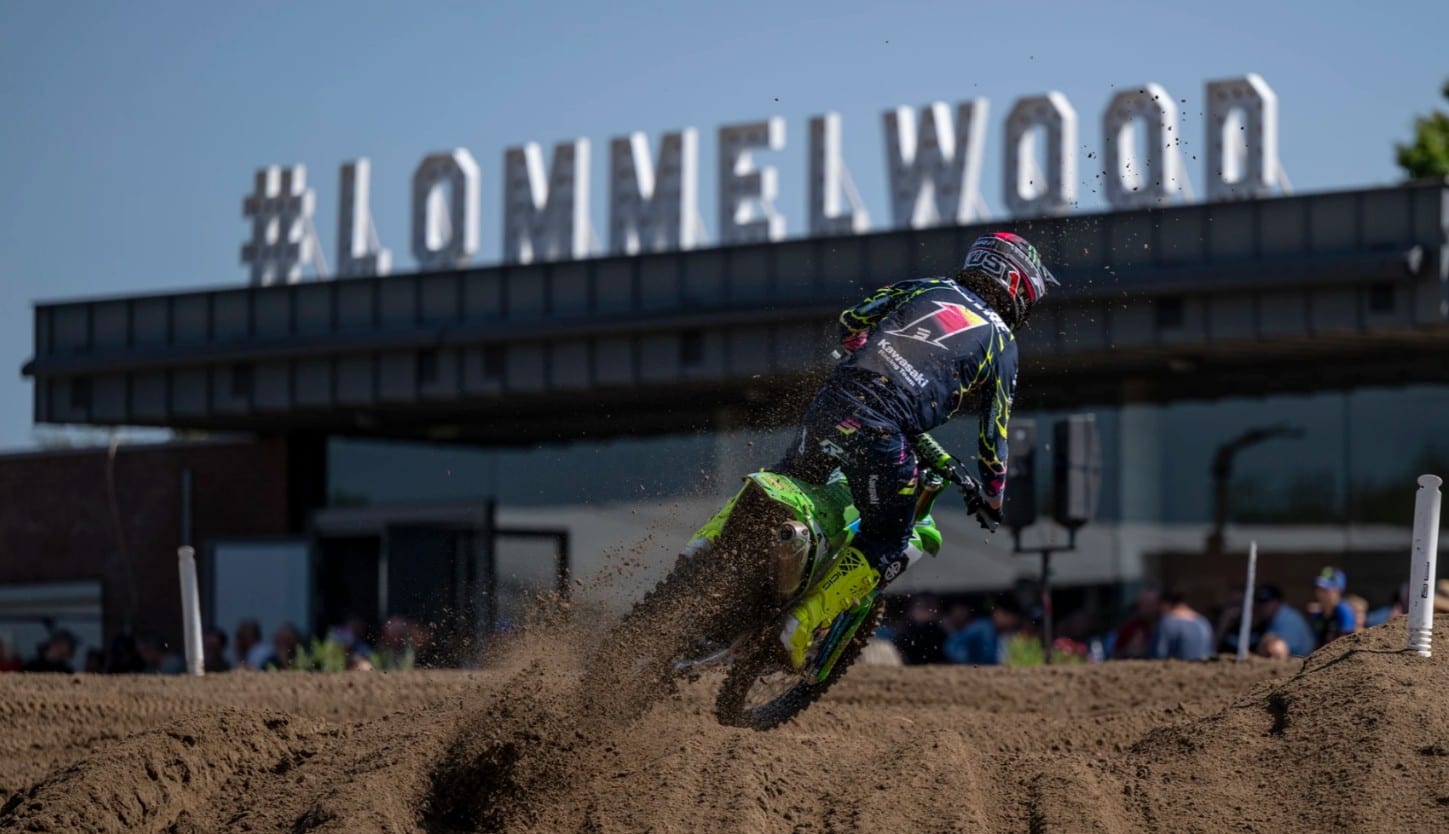
The main reason for the decline of the sport was Belgian environmental legislation. A law that came into effect in Flanders in 1995 restricted grassroots motocross activities and training with strict noise standards and environmental permits.
Although exception clauses allowed for looser noise restrictions for permanent motorsport areas, the “Not in my back yard” phenomenon became a bigger problem. In densely populated Flanders, housing spread close to the tracks, and local residents began to systematically challenge the tracks’ environmental permits in court, citing noise nuisance.
On the other hand, the promoter of the World Championship series began to emphasize in its guidelines and strategy more and more maximal commercialization, TV visibility, VIP services, and a completely different level of ancillary conditions. This commercial development inevitably headed on a collision course with traditional tracks.
For example, the historic, long, and challenging track in Namur proved problematic in terms of both logistics and other requirements. A similar fate awaited many other iconic and historically significant tracks that no longer bent to the requirements of the new business model, not just in Belgium, but throughout the world.