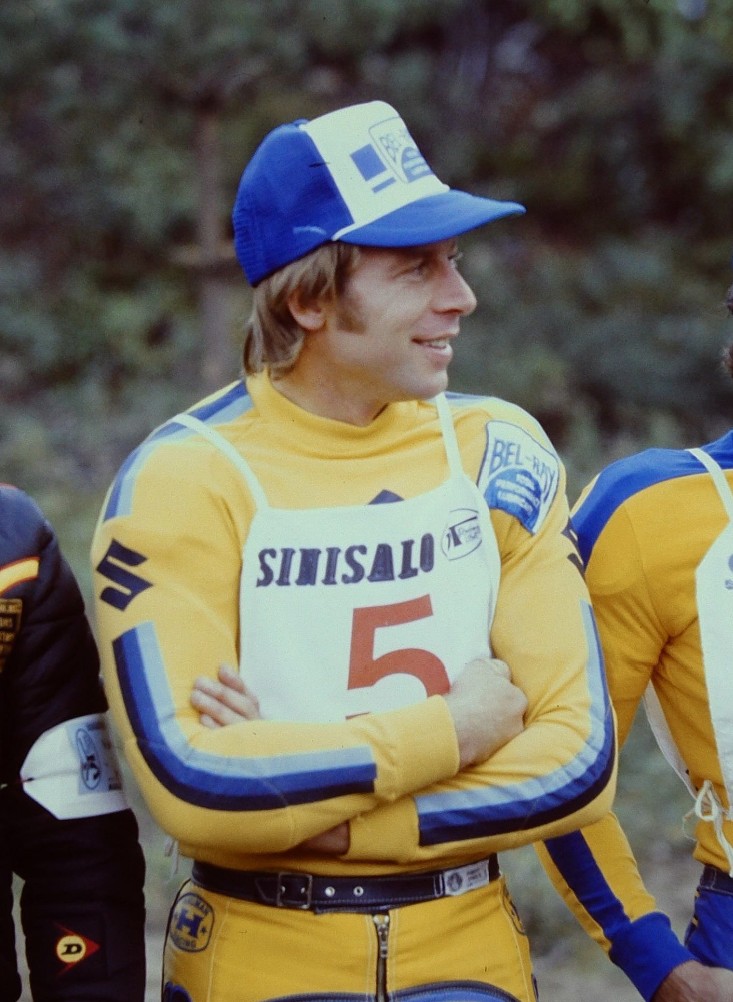
Belgian motocross legend Roger De Coster secured his fifth and final FIM 500cc motocross world championship in Ettelbrück, Luxembourg, on August 8, 1976. This FIM 500cc Grand Prix, which concluded the racing season, tested the riders’ bodies beyond human limits during a time when the 1976 season culminated in a series of dramatic events that defined the golden age of the sport.
The climax of the 500cc world championship
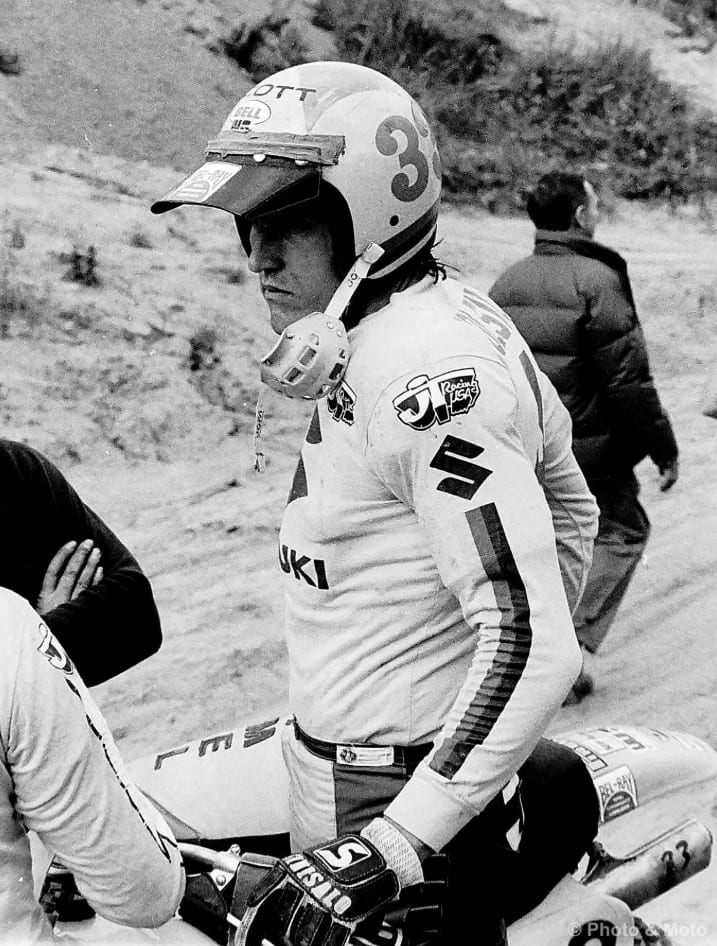
Roger De Coster arrived at the final Grand Prix of the season in Luxembourg in the middle of a tight points battle against his Suzuki teammate Gerrit Wolsink. Wolsink, who worked as a dentist outside of racing, had won seven heats during the season, while De Coster had nine heat victories to his name. There was agonizing tension in the Suzuki pit tent, but in the end, De Coster managed to secure the world championship for himself by a razor-thin margin of just two points over his teammate.
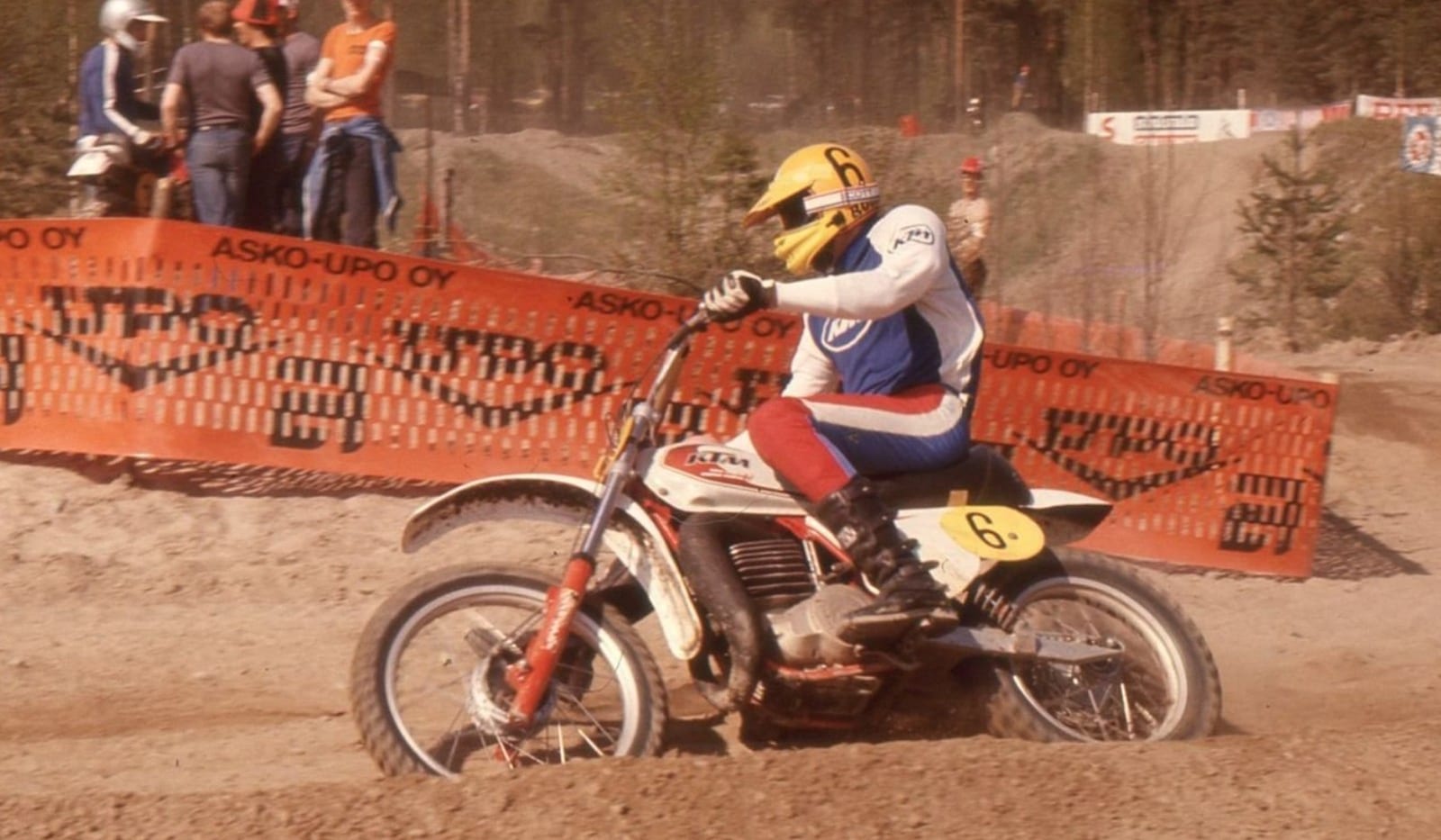
At the same time as the Suzuki protégés were fighting hard for the championship, a historic moment was witnessed on the track. KTM rider Jaak Van Velthoven dominated both starts and achieved the Austrian brand’s first-ever 500cc Grand Prix victory.
The disorder that broke out among the crowd cast a dark shadow over the historic final race, when a spectator hanging in a tree caused British star rider Graham Noyce to crash violently at high speed. Noyce was injured in the incident and was rushed to the hospital due to the back injuries he sustained.
Mikkola’s Swiss watchmaker-like precision in the 250cc class
To promote the sales of its 250cc production models, Husqvarna enticed Heikki Mikkola to move down a class from the 500cc category in 1976.
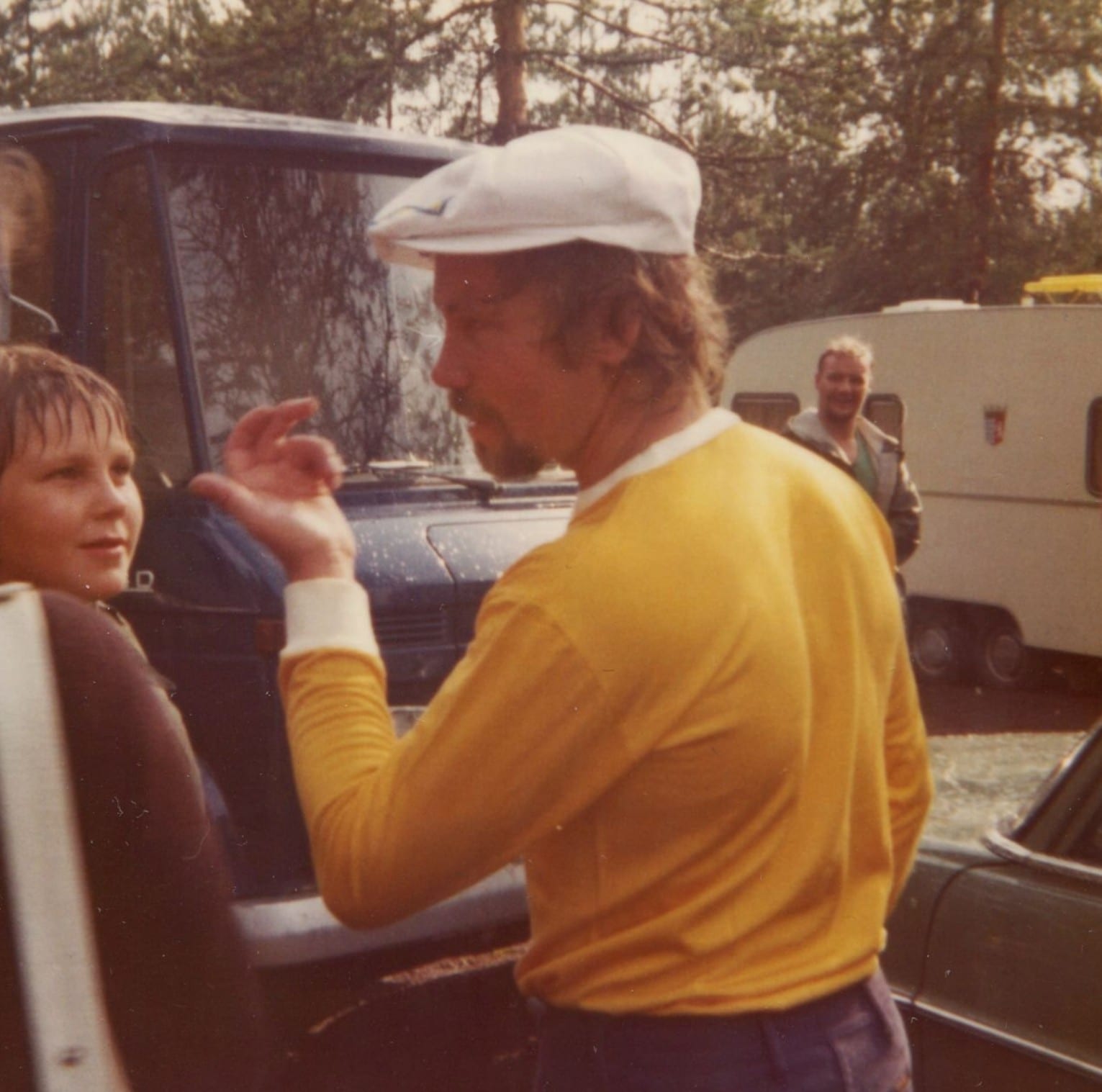
Mikkola dominated the early season and built up a convincing 40-point lead, but his momentum was halted by an injury sustained at the British GP. This created an opportunity for the Soviet KTM factory rider Gennady Moiseev, who had missed the first two rounds of the season.
Moiseev began his furious final push and managed to win as many as three of the last five rounds.
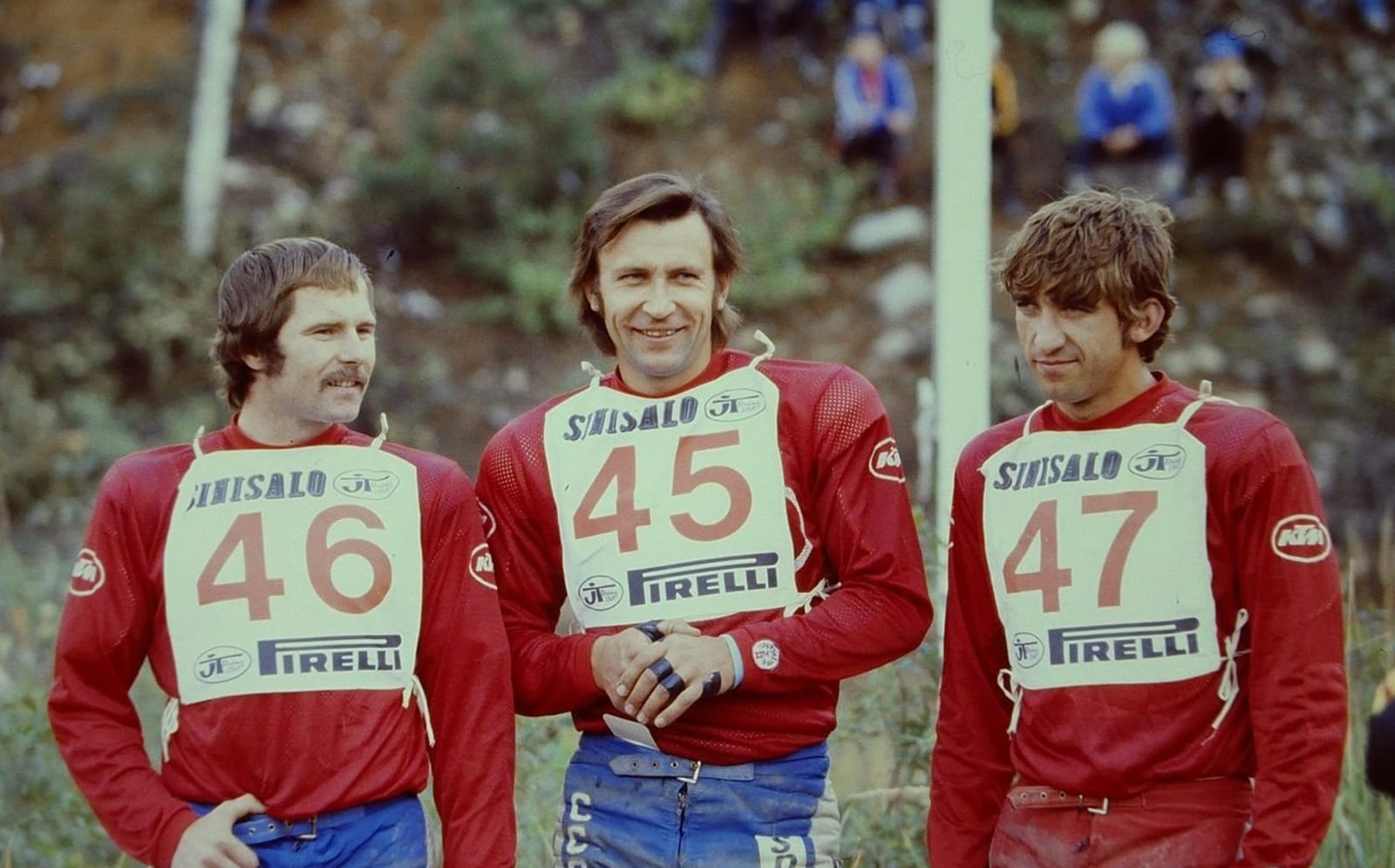
Mikkola, however, fought back and narrowly maintained his lead, ultimately winning the world championship by a single point over Moiseev. With this historic achievement, Mikkola became the first rider in the history of motocross to succeed in winning world championships in both the 250cc and 500cc classes.
Rahier and Suzuki dominated the small class sovereignly
In 1976, the FIM 125cc class was run for the second time as an official, full-scale world championship series. The season was heavily dominated by Suzuki’s lightweight equipment, as the superiority fueled by the success of the previous year’s inaugural season continued, and the brand maintained its position as the absolute leader of the class.
Suzuki’s technical lead provided Belgian rider Gaston Rahier with the perfect setup to beat his Czechoslovakian challengers who competed on traditional CZ bikes.
Rahier rode his factory Suzuki to his second consecutive 125cc world championship, which was part of his legendary reign in that class.
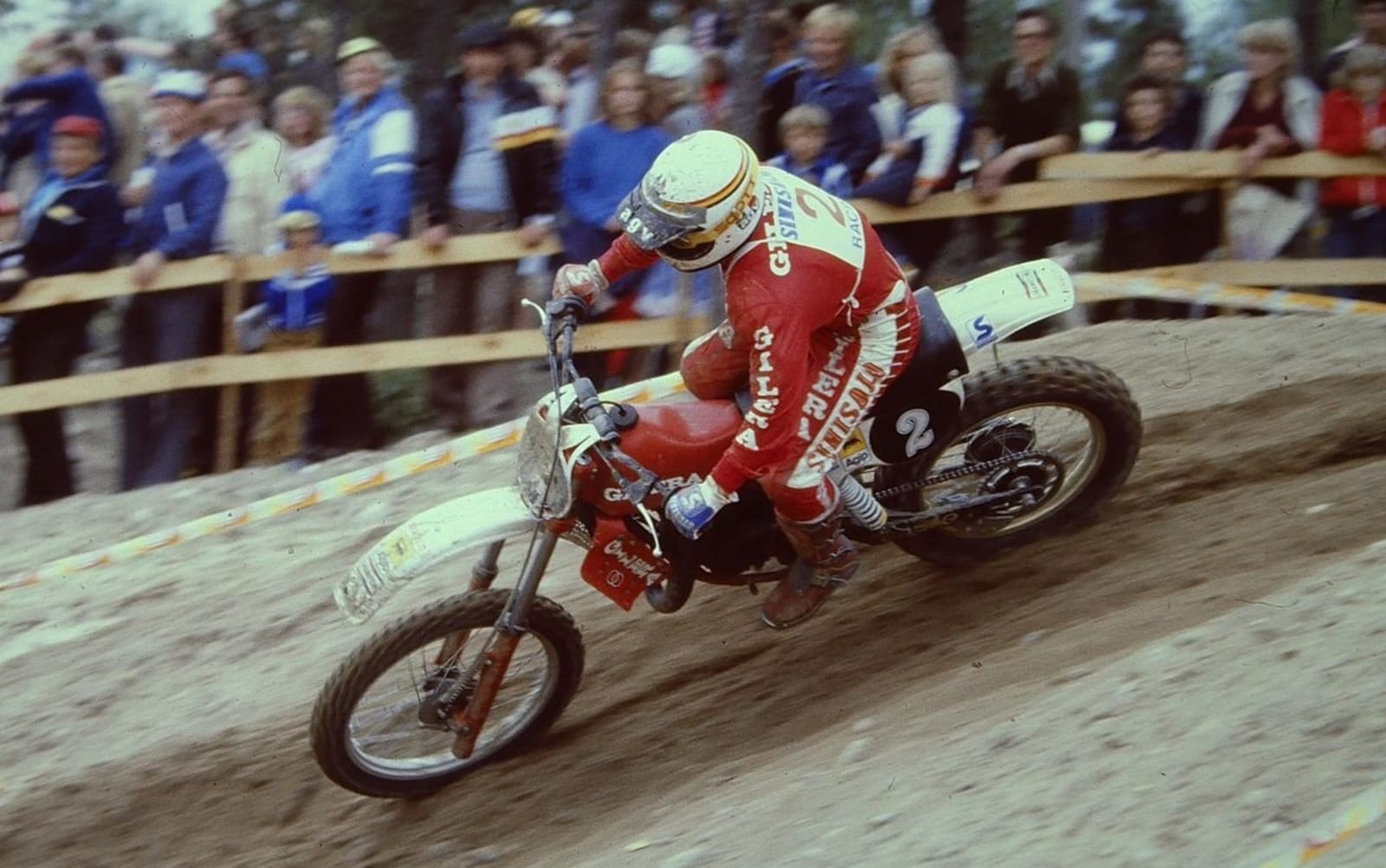
In the final top two of the series, Rahier, who took the championship, collected 176 points with his Suzuki and achieved as many as 15 heat wins. The runner-up, Jiří Churavý from Czechoslovakia, scored 160 points on his CZ machine and took 4 heat wins.
Meanwhile in America, it was the summer of the “Hurricane”
At the same time across the Atlantic, AMA motocross experienced an unprecedented transformation in August 1976. An unknown new talent, Bob “The Hurricane” Hannah, completely revolutionized the perception of how a motocross bike is ridden.
Hannah had already astonished the world earlier that same summer in Hangtown by coming from behind to pass Honda star rider Marty Smith for the win. By August 1976, he was leading the American series on his revolutionary, liquid-cooled factory Yamaha OW27 bike.
The wild and aggressive “feet off the pegs” riding style developed by Hannah changed motocross permanently, leading it toward a modern and high-flying era of faster motocross.